Research

Research

Projects under way, projects completed, and the themes that run through my published work.

Current projects

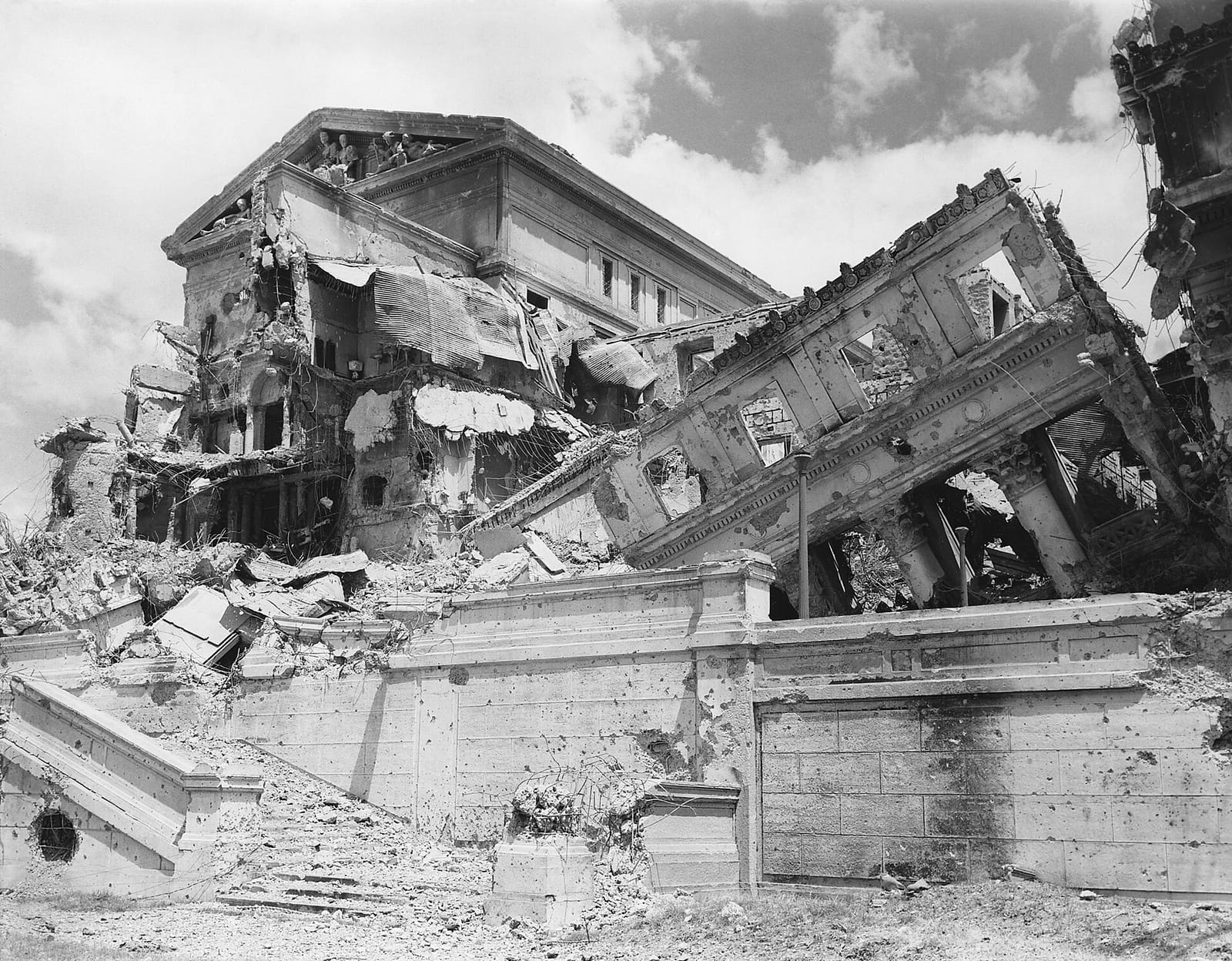
Ruins of the Legislative Building, Manila, 1945

U.S. National Archives and Records Administration, public domain, via Wikimedia Commons

OngoingHPRG

Post-Conflict Reconstruction of the Health Sector in the Postwar Philippines, 1946-1953

Hong Kong Research Grants Council, General Research Fund (RGC-GRF)
Principal investigator  ·  2026 to 2027

This project will investigate the post-conflict reconstruction of the health sector in the postwar Philippines from 1946 to 1953, focusing on the Philippine Rehabilitation Act of 1946 and its broader implications for health systems. Following the devastation of the Second World War, the Philippines faced a public health crisis, with widespread disease and malnutrition and its infrastructure in ruins.

Read the full description

The U.S.-sponsored Rehabilitation Act allocated significant financial and material aid to rebuild the country’s healthcare system, including hospitals, medical supplies, and training for health professionals. The proposed project will explore the interactions between international donors, the central government, local governments, and non-state actors in this context, revealing how foreign aid, driven by geopolitical interests and complicated by the fragmented geography of the archipelago and socio-political conditions, shaped public health policies and outcomes in the postwar period.

The project will employ archival research, drawing from both U.S. and Philippine sources, and integrate qualitative and quantitative analyses to assess the effectiveness of postwar health interventions.

The project’s broader contribution will lie in its historiographical analysis of how post-conflict health reconstruction in the Philippines intersected with larger political, economic, and socio-cultural systems. By situating this reconstruction within the larger context of international aid and local cultural practices, the study will highlight the tensions between global health priorities and local needs. This research will also provide critical insights into how post-conflict policies contributed to long-term health disparities in this setting, offering valuable lessons for contemporary post-conflict health rebuilding efforts in other regions.
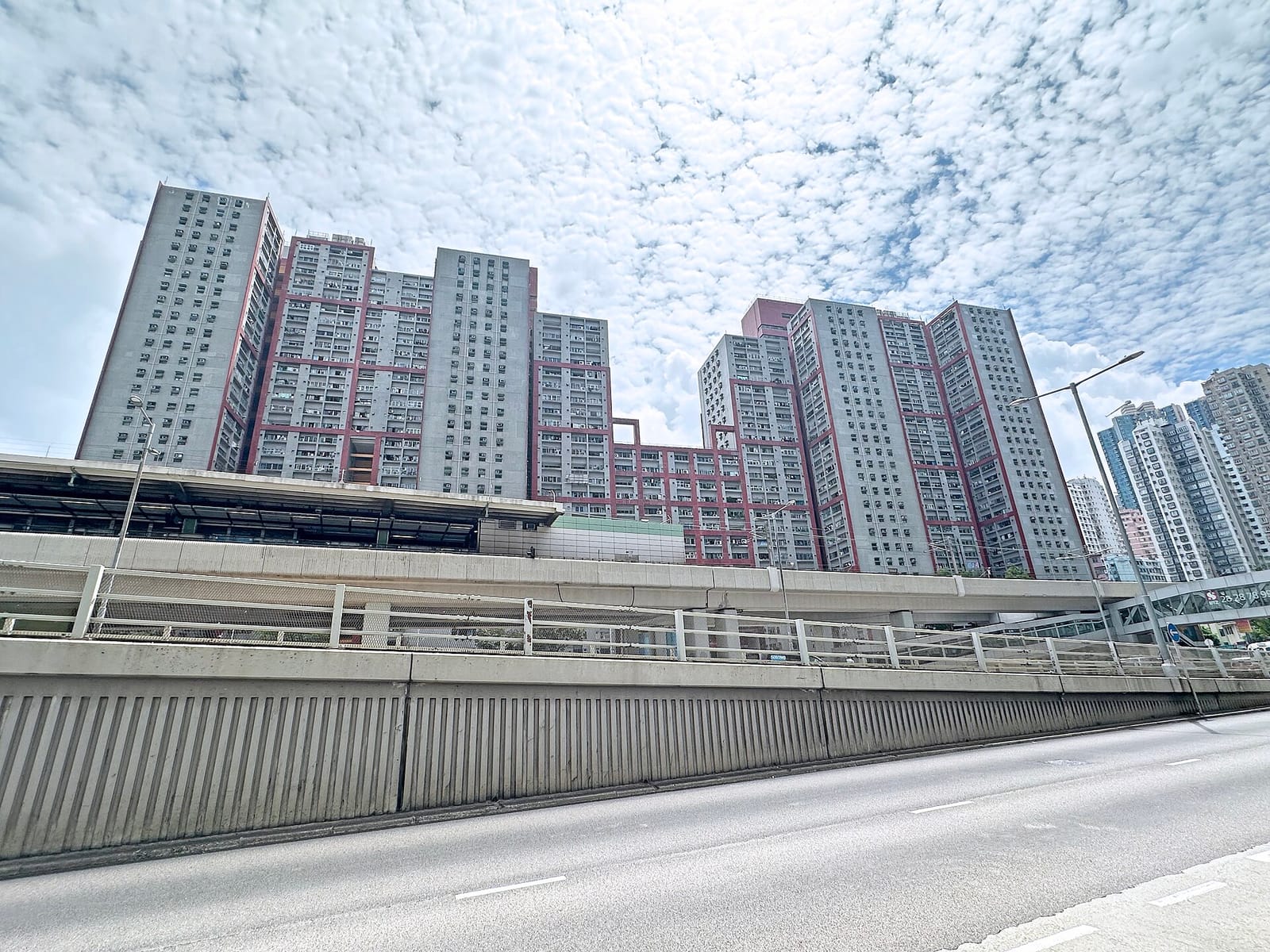
Kwun Tong Garden Estate, Hong Kong

Qwer132477, CC BY 4.0, via Wikimedia Commons

Ongoing

Decarbonization solutions for buildings in Hong Kong: development, assessment and deployment

Hong Kong Research Grants Council, Strategic Themes Grant (RGC-STG)
Team member  ·  2024 to 2028

Buildings are the single most important contributor of carbon emissions in Hong Kong (HK) as they account for 90% of the electricity consumption and 60% of the total carbon emissions of the city. Hence, decarbonization of HK’s building infrastructure is inevitable and plays a dominant role in achieving carbon neutrality before 2050.

Read the full description

The main source of buildings’ energy consumption and carbon emissions is the so-called Operational Energy and Carbon (OEC), which is generated from lifetime use of cooling facilities (e.g., ventilation and air-conditioning). Building decarbonization relies on efforts from all stakeholders and depends heavily on what new technology options will be chosen and eventually be developed into more reliable and cost-effective ones suitable for largescale application in HK. Unfortunately, the HK’s Climate Action Plan is silent on which technologies we aim to develop and how to implement them territory-wide under government-led policies and regulations. This proposed project has the following two objectives:

  • To identify and develop promising building technologies according to their efficacy and viability, for maximizing carbon reduction and energy efficiency, applicable for both existing and new buildings in HK, and to significantly reduce OEC towards a carbon neutral HK by 2050.
  • To integrate the developed innovative technologies with net-zero policies and regulations in the built sector, and to provide a feasible and accountable roadmap to the HK government for implementation, from lab-scale prototypes to real-size demo flats and eventually to city-scale deployment.

We have formed a team of leading experts in environmental and mechanical engineering, material science and engineering, and public policy from HKUST/PolyU/CityU along with key stakeholders (HK Environmental Protection Department and Green Building Council) to develop, assess, and deploy innovative technologies and solutions for buildings in HK. We will take a systems-based and problem-driven collaborative approach, and we will incorporate smart energy-saving building envelopes, advanced cooling materials and green air-conditioning systems into the larger social, economic, political and technological context of HK towards building decarbonization. The goal of this project is to provide evidence-based solid engineering solutions and policy and regulatory recommendations for HK to realize building decarbonization. The research will advance the existing knowledge and hardware-software for building sector, promote a reshaping of the building industry of HK and eventually establish HK as an international center of excellence in this field. The project outcome will also be applicable to heavily urbanized cities in mainland China and worldwide.

Completed projects

Completed

Postdoctoral research on Philippine climate and environment policy

Postdoctoral Fellow, Hong Kong University of Science and Technology · 2023 to 2024

Division of Environment and Sustainability; Division of Public Policy

Contributed to the formulation, writing, and editing of policy papers on Philippine climate and environment.

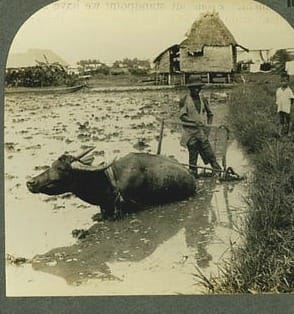
A Filipino farmer with his water buffalo harrowing a flooded rice field, Luzon, c. 1906
Completed

Domesticated Geographies: Animals and the Making of Modern Health in the Philippines, 1860-1935

Doctoral research, Department of History, The University of Hong Kong · 2017 to 2021

Doctoral research on the historical animal geographies and the emergence of modern health in the Philippines during the colonial nineteenth and twentieth centuries.

Winner, Wang Gungwu Prize for Research Postgraduate Students (Best Thesis), 2021-22

Winner, Young Historian’s Prize 2022

Shortlisted, ICAS Book Prize 2023: Best Dissertation in the Humanities

Outputs

Domesticated Geographies: Animals and the Making of Modern Health in the Philippines, 1860-1935 (2021)

The Carabao and the Encounter of the Law in Nineteenth Century Philippines (2019)

The Ice Plant Cometh: The Insular Cold Storage and Ice Plant, Frozen Meat, and the Imperial Biodeterioration of American Manila, 1900-1935 (2021)

Domesticating Health: Animals in the Making of Modern Medicine in the Philippines (forthcoming)

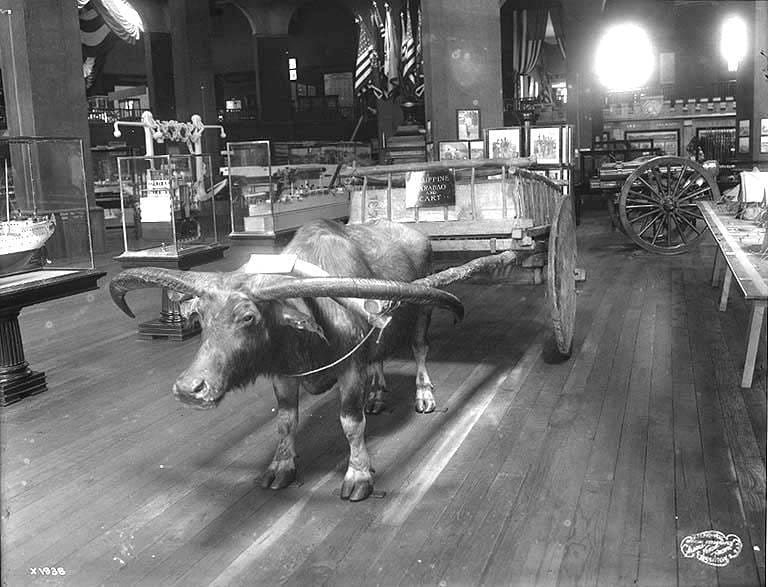
Philippine carabao and cart on display, Alaska-Yukon-Pacific Exposition, Seattle, 1909
Completed

Burdens of the Beast: A Socio-Legal History of the Carabao as Private Property in the Philippines during the American Colonial Period

Master of Arts in History, Ateneo de Manila University · 2008 to 2015 · Ateneo Graduate Scholarship Fund, 2008-2015

Finalist, Best Thesis, School of Social Sciences Outstanding Research Awards, 2016

Themes in published work

Animal history

8

‘We Keep Trained Baboons to Do Housework’: American White Women, Animals, and Disgust in the...

Domesticating Health: Animals in the Making of Modern Medicine in the Philippines

View publications →

Medicine and health

8

The Filled Milk Controversy: Debating Nutritional Security and National Self-Sufficiency in ...

Domesticating Health: Animals in the Making of Modern Medicine in the Philippines

View publications →

Food and nutrition

5

The Filled Milk Controversy: Debating Nutritional Security and National Self-Sufficiency in ...

‘More Calories, More Protein, More Progress’: The Nutribun and the Politics of Nostalgia of ...

View publications →

Environment and technology

9

Towards a holistic and reflexive assessment of green buildings and technological landscapes ...

Affective relationships as nonmaterial capital assets in resilience building in the rice-ter...

View publications →

Post-conflict health

1

Living with climate and state fragility in a ‘chaotic paradise’: Securitizing livelihoods in...

View publications →

Green buildings

1

Towards a holistic and reflexive assessment of green buildings and technological landscapes ...

View publications →

Philippines and Southeast Asia

14

The Filled Milk Controversy: Debating Nutritional Security and National Self-Sufficiency in ...

‘We Keep Trained Baboons to Do Housework’: American White Women, Animals, and Disgust in the...

View publications →

History and policy

2

Towards a holistic and reflexive assessment of green buildings and technological landscapes ...

Epistemic Preparedness

View publications →